Schneider Electric’s Role in Advancing Industrial CNC and Laser Automation
Abstract
Schneider Electric, a global leader in energy management and industrial automation, has become an integral component supplier for advanced CNC machining and laser cutting systems. This article examines how Schneider Electric’s electrical components—ranging from contactors and circuit breakers to programmable logic controllers (PLCs) and human-machine interfaces (HMIs)—are embedded in modern industrial equipment, particularly in the context of Fiber laser cutting machines, CNC routers, and woodworking centers. Drawing on industry data and product specifications from ROCLAS® MACHINERY CO., LTD., the article analyzes the technical synergy between Schneider Electric’s automation solutions and high-precision manufacturing equipment. A comparative data table highlighting key electrical specifications across laser machine models is presented, followed by an exploration of how these components contribute to operational reliability, energy efficiency, and global compliance. The article concludes with a forward-looking assessment of the evolving role of automation components in the next generation of CNC and laser fabrication systems.
---
1. Introduction
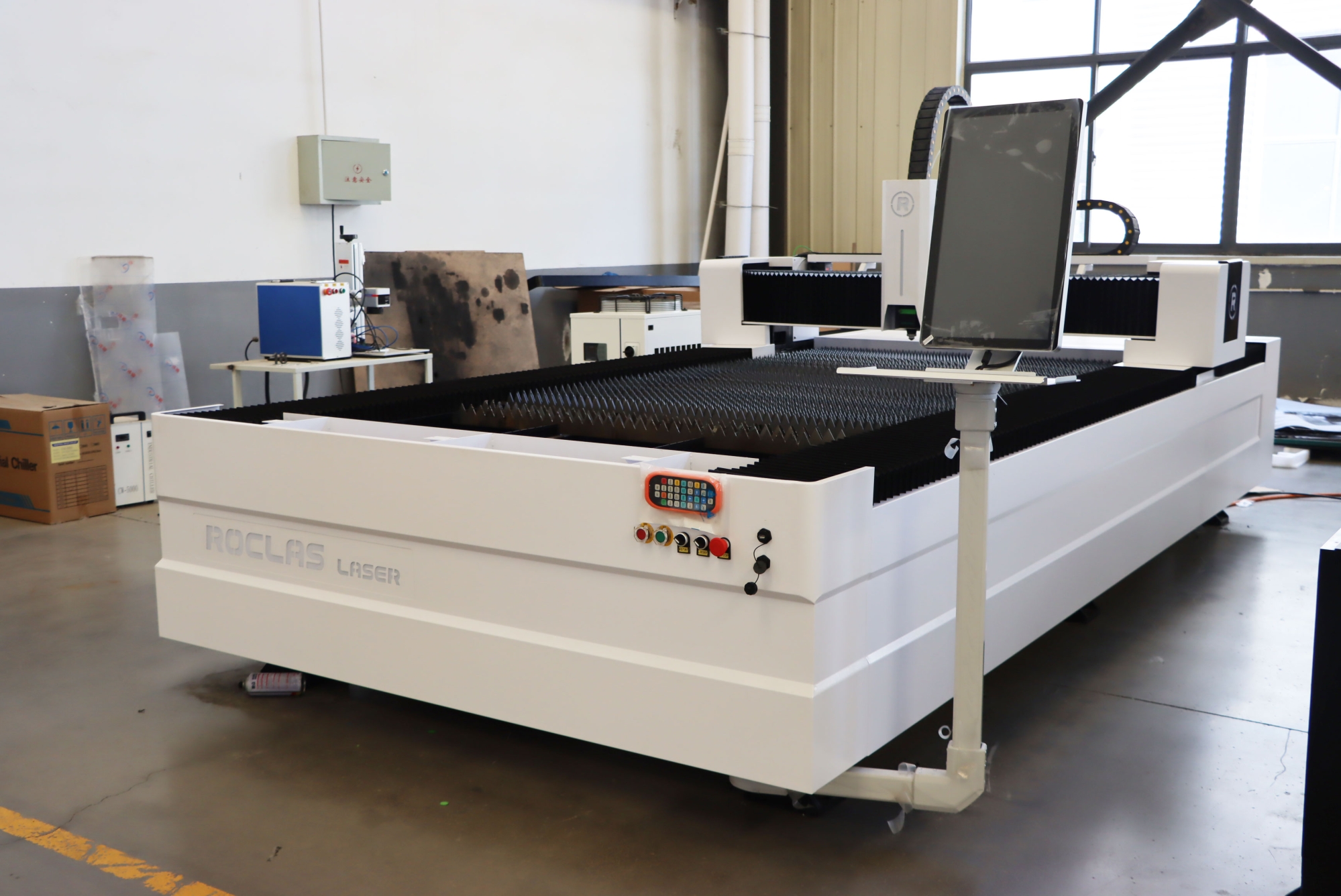
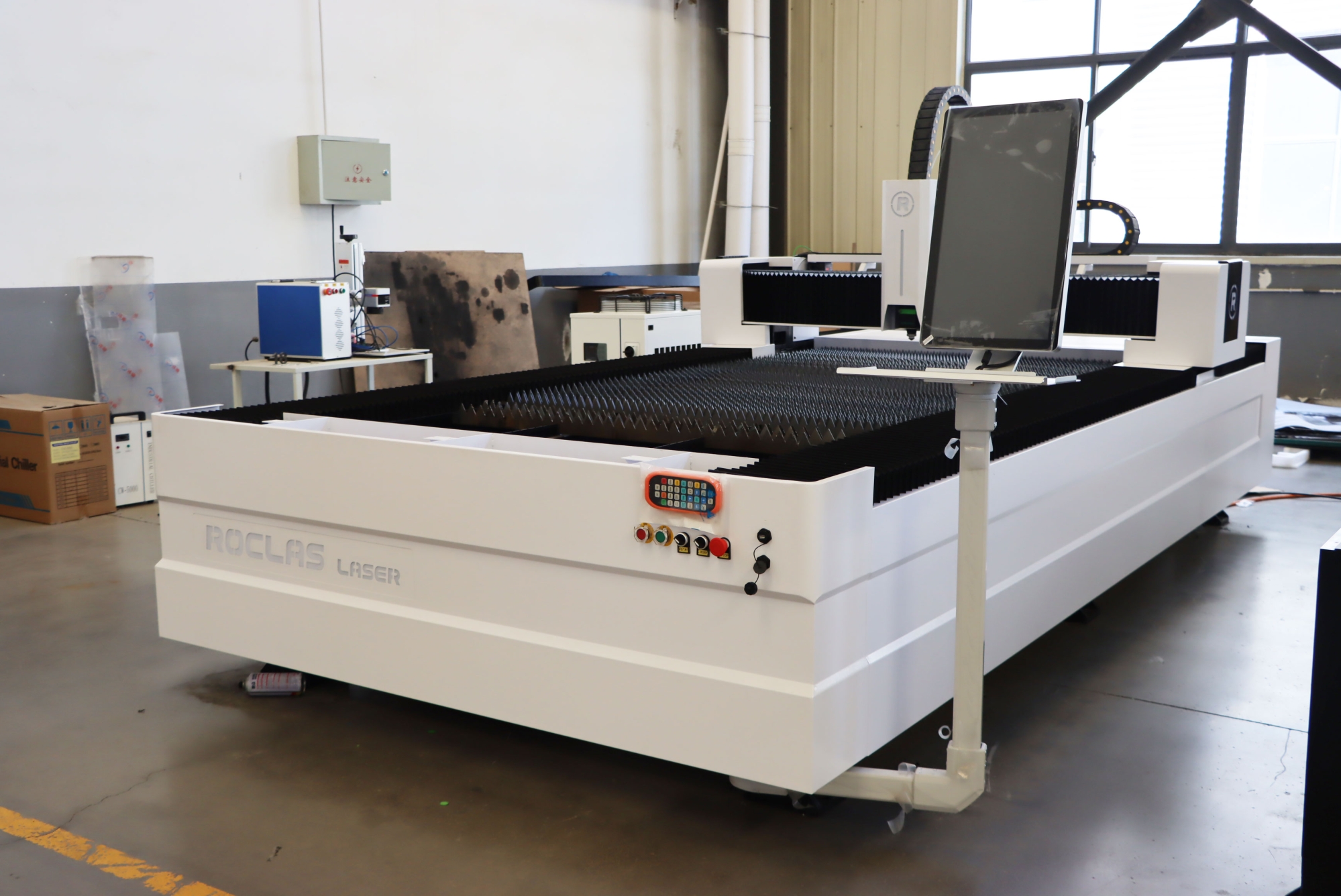
In the rapidly evolving landscape of industrial manufacturing, the integration of reliable electrical and automation components is no longer a luxury—it is a necessity. Schneider Electric, with over 180 years of history, has established itself as a benchmark for industrial control and power management solutions. Its products are widely adopted in sectors ranging from building automation to heavy machinery, but a particularly important application lies in the domain of CNC (Computer Numerical Control) machining and laser cutting.
This article focuses on the specific role of Schneider Electric components in CNC routers, woodworking centers, and fiber laser cutting machines. By examining real-world product implementations from ROCLAS® MACHINERY CO., LTD., a manufacturer known for its heavy-duty steel structure designs and advanced laser technologies, we can understand how component-level choices affect machine performance, reliability, and compliance with international standards.
---
2. The Technical Interplay: Schneider Electric in CNC and Laser Systems
2.1 Component Selection and Machine Reliability
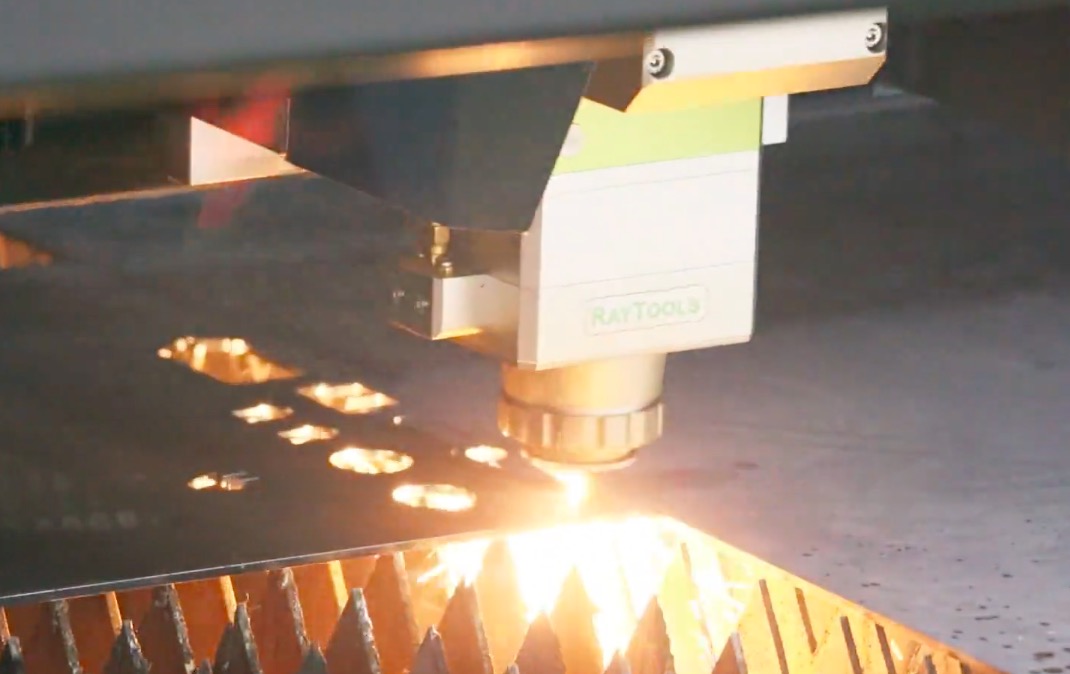
Modern fiber laser cutting machines, such as those offered by ROCLAS, operate under demanding conditions. They require precise motion control, stable power delivery, and robust safety systems. Schneider Electric’s product portfolio addresses these needs through:
- Power Distribution and Protection: Circuit breakers, contactors, and thermal overload relays ensure that the machine’s electrical system can handle high inrush currents and protect against short circuits.
- Automation Controllers: Modicon PLCs and HMIs provide the logic and user interface for controlling laser parameters, axis movements, and auxiliary functions.
- Variable Frequency Drives (VFDs): For controlling spindle speeds in CNC routers or conveyor systems in roll-fed laser lines, Schneider’s Altivar drives offer energy-efficient and precise speed control.
- Safety Components: Emergency stop relays, safety contactors, and light curtains (though not always integrated in basic models) are critical for operator protection.
2.2 Case Study: ROCLAS Fiber Laser Cutting Machines
According to the knowledge base, ROCLAS machines incorporate “France Schneider, Japan SMC, Yade electric equipment” as part of their core component sourcing. This deliberate selection underscores the importance of using globally recognized, high-reliability electrical components.
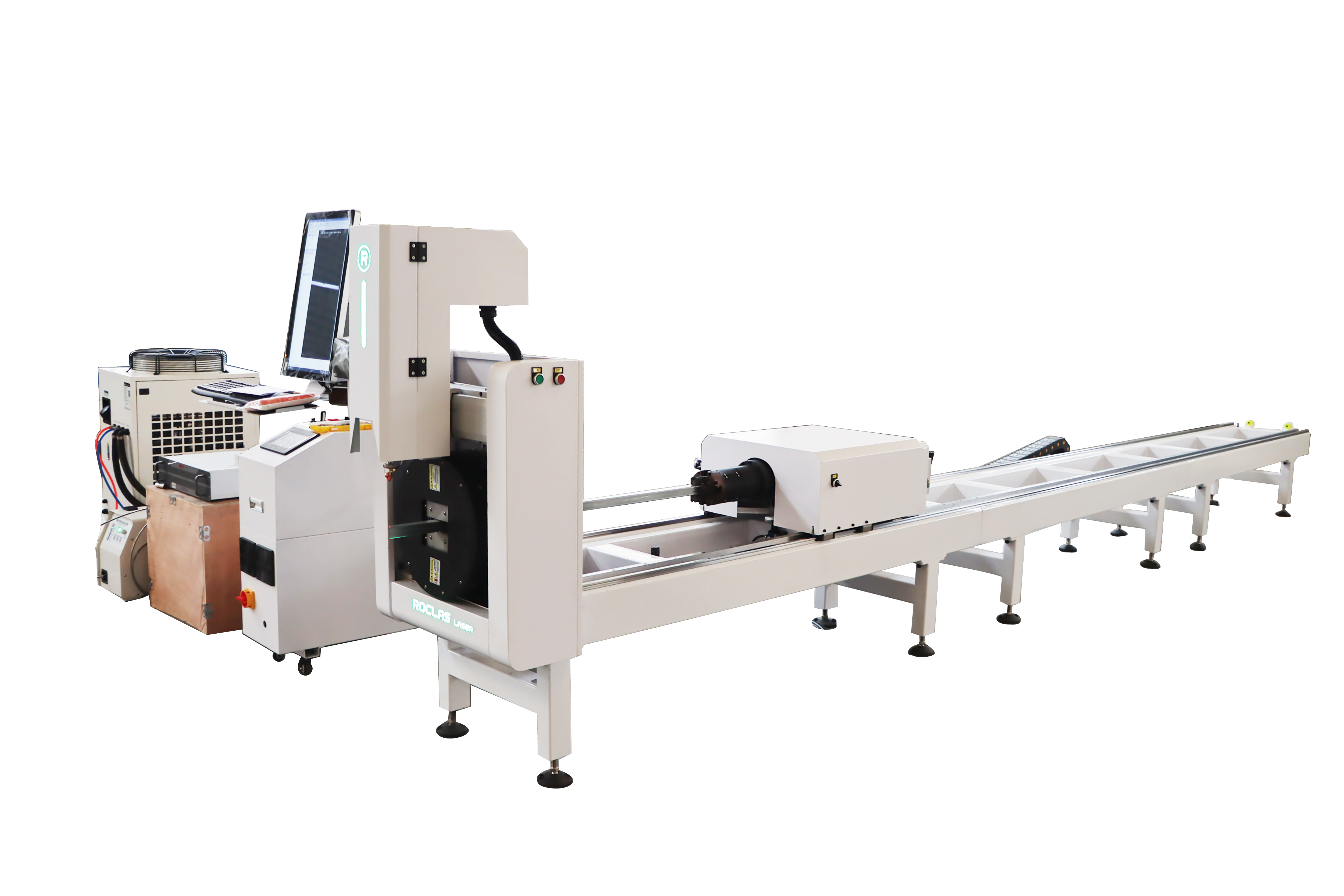
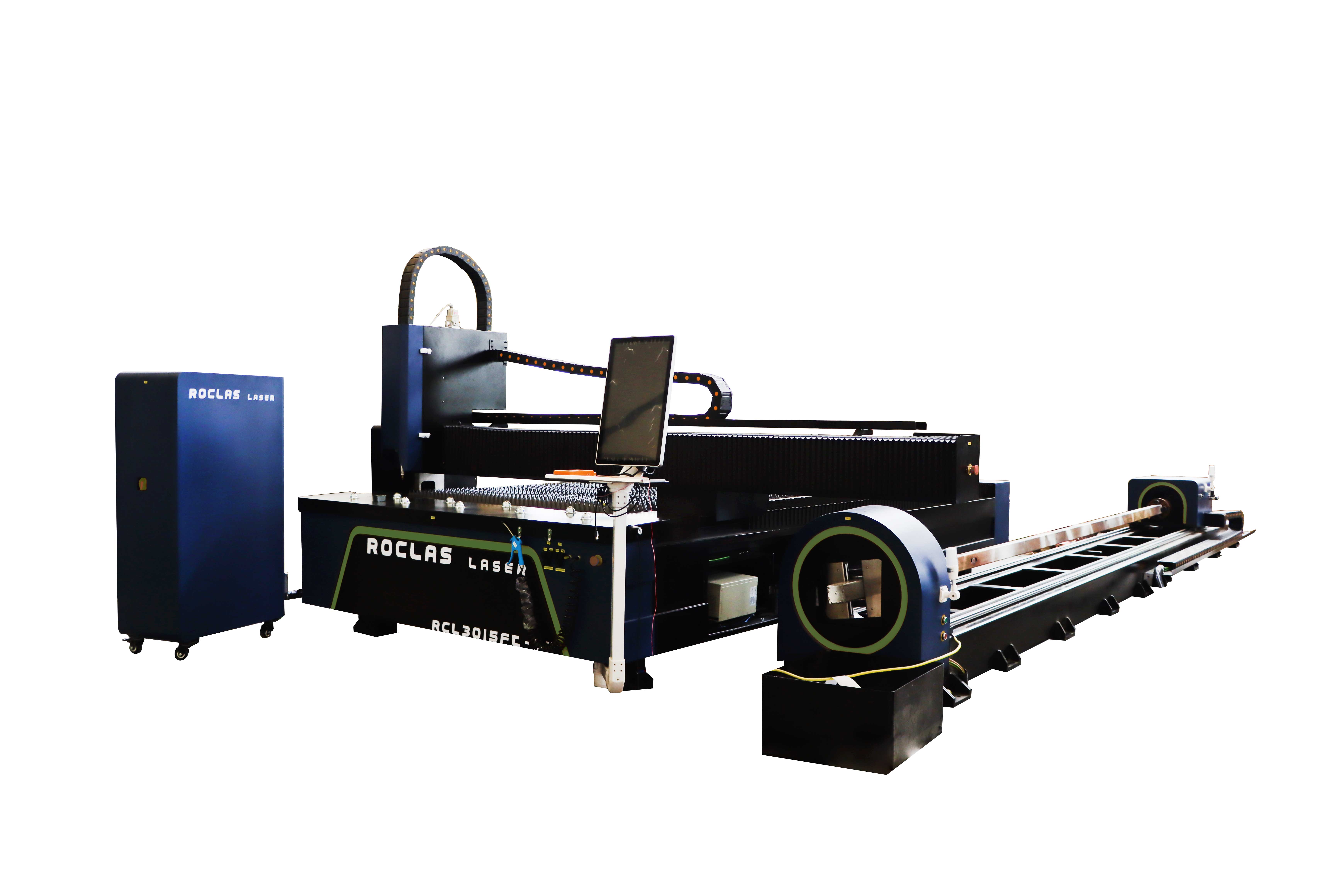
For instance, in a typical 3000W fiber laser cutting machine from ROCLAS, the electrical cabinet would house Schneider Electric contactors and circuit breakers to manage the power supply to the laser source (Raycus or MAX), servo drive system (Leadshine), and auxiliary equipment like the cooling system and smoke purifier. The use of Schneider components helps ensure that the machine can operate continuously in industrial environments without unexpected downtime due to electrical failures.
---
3. Data Analysis: Electrical Specifications Across Laser Machine Models
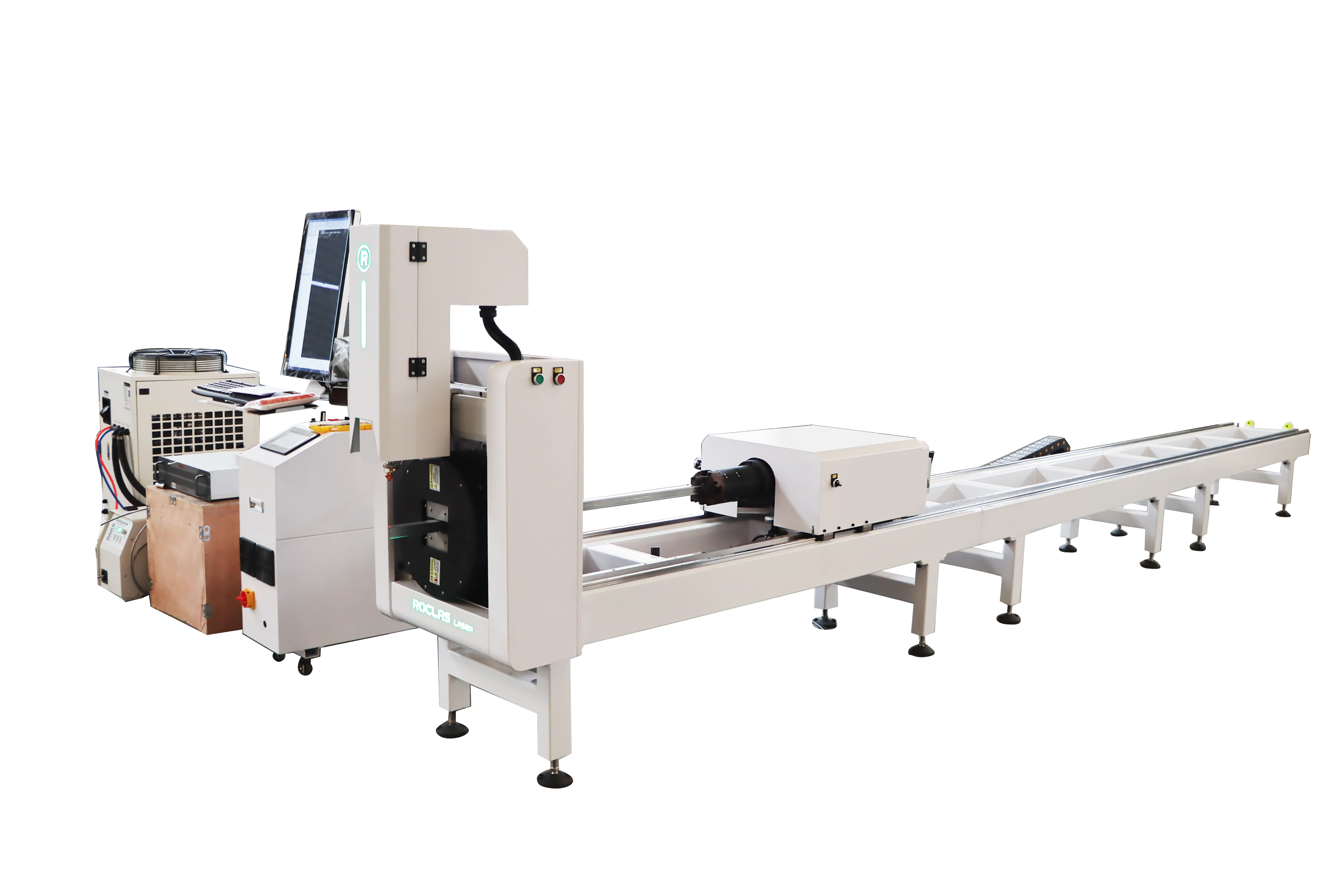
The following table compares electrical and automation-related specifications across three representative ROCLAS laser machine models, highlighting the integration of Schneider Electric components where applicable.
| Parameter | Standard Sheet Metal Laser (3000W) | Tube Laser (2000W) | CO2 Hybrid Laser (500W) |
|-----------|-----------------------------------|--------------------|--------------------------|
| Power Supply Requirement | 380V/50Hz, 3-Phase | 380V/50Hz, 3-Phase | 220V/50Hz, Single-Phase |
| Main Circuit Breaker | Schneider Electric GV2 Series | Schneider Electric GV2 Series | Schneider Electric GV2 Series |
| Motor Contactor | Schneider Electric LC1 Series | Schneider Electric LC1 Series | N/A (lower power) |
| PLC / Control System | Cypcut 3000S (standalone) | Cypcut 3000S (standalone) | Proprietary CO2 control |
| Servo Drive | Leadshine (with Schneider-compatible I/O) | Leadshine | Stepper motor (basic) |
| Safety Relay |
Get a Quote
Regardless of whether you require general advice or specific support, we are happy to help you.
Recent Post
-
 The Ultimate Guide to High-Performance Fiber Laser Metal Cutting MachinesIntroductionFiber laser metal cutting machines have revolutionized the manufacturing industry with...2025-06-24 19:56:52
 -
 Understanding the Key Differences Between Fiber Laser and CO2 LaserIn the world of laser cutting and engraving, two types of lasers dominate the industry fiber laser...2025-03-30 09:31:59
 -
 The Ultimate Guide to Programmable Laser Cutters Revolutionizing Precision and EfficiencyIntroductionIn the realm of modern manufacturing and design, programmable laser cutters have emerg...2025-03-29 09:32:00
 -
 The Ultimate Guide to Steel Laser Cutting Techniques, Benefits, and ApplicationsIntroductionSteel laser cutting has revolutionized the manufacturing and fabrication industries, o...2025-03-24 08:31:07
 -
 Why Choose Roclas Fiber Laser Cutting for PED Components?IntroductionLaser cutting technology has revolutionized metal fabrication, offering unmatched prec...2025-06-16 07:49:19
 -
 The Evolution and Applications of Industrial Steel Cutters in Modern ManufacturingIntroductionIn the realm of modern manufacturing, the ability to precisely and efficiently cut thr...2025-03-26 07:31:53