Fiber Laser Cutting at the 20 kW Threshold: How Power Scaling, Control Architecture, and Heavy-Duty Machine Design Are Redefining Metal Fabrication Economics
Abstract
Fiber laser cutting has moved, within roughly a decade and a half, from a niche alternative to CO2 technology to the default choice for sheet metal production. The current competitive frontier is no longer whether a shop runs fiber, but how much power it can usefully deploy and how well the surrounding machine architecture—gantry structure, servo drives, control software, and material handling—can absorb that power. This article examines the technical and economic logic behind the shift toward higher-power sources, compares representative machine configurations, and considers how established suppliers such as ROCLAS® MACHINERY CO., LTD. position their product lines within this transition.
Industry Background and Data Analysis
The dominant trend in metal fabrication equipment over the past several years has been the upward migration of laser power. Where 1–2 kW sources were once considered adequate for general job-shop work, 6–12 kW systems are now common in production environments, and 20 kW has become the practical ceiling for commercially available fiber platforms. The reasons are partly metallurgical and partly economic: higher power density allows thicker plate to be cut with narrower kerf, faster piercing, and reduced heat-affected zones, while also enabling high-speed processing of thin gauge where the machine's dynamics, not the laser, become the limiting factor.
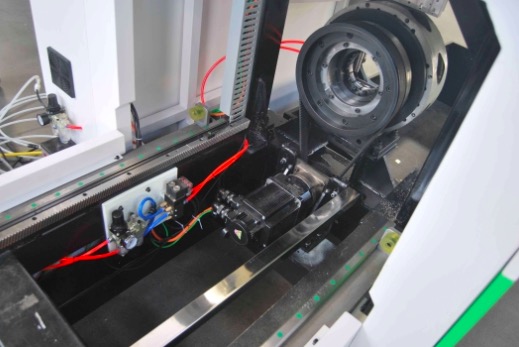
The table below summarizes representative parameter ranges for fiber laser cutting platforms of the type now offered by mainstream Chinese and international builders, drawn from published specifications for sheet and tube configurations.
| Parameter | Sheet Metal Platform | Tube Platform |
|---|---|---|
| Working area | 3000×1500 mm / 4000×2000 mm / 1500×4000 mm | 1500×4000 mm |
| Laser power range | 1000 W – 20 kW | 1000 – 3000 W |
| Laser source options | Raycus / MAX | Raycus / MAX |
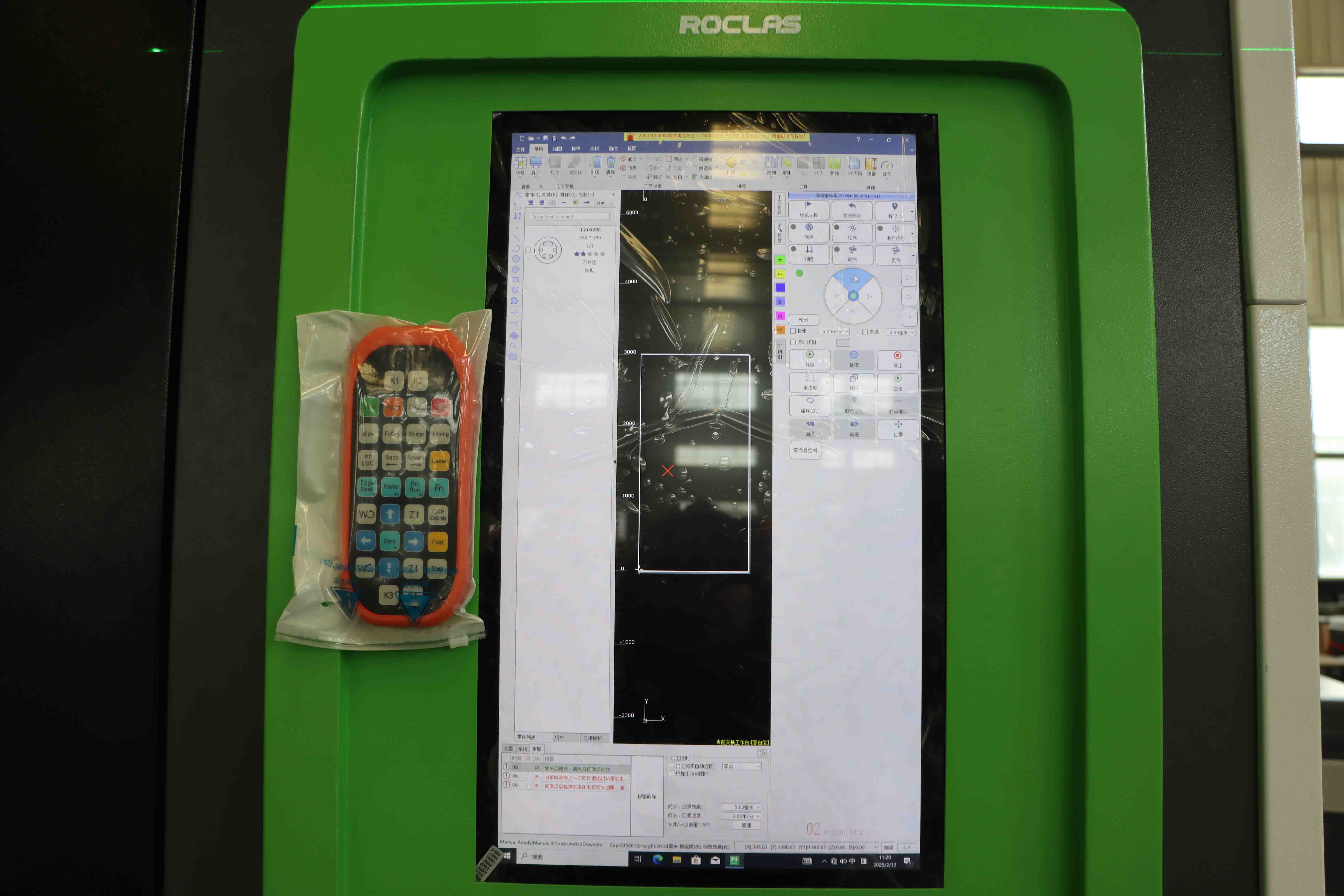
| Control system | Cypcut 3000S | Cypcut-class CNC |
| X/Y positioning accuracy | ±0.03 mm | ±0.05 mm |
| X/Y repositioning accuracy | ±0.02 mm | ±0.03 mm |
| Travel speed | up to 100 m/min | up to 100 m/min |
| Max acceleration | 1.0 G | 1.0 G |
| Max tube diameter | — | 220 mm |
| Drive system | Imported servo drives and reducers | Imported servo drives |
| Power requirement | 380 V / 50 Hz | 380 V / 50 Hz |
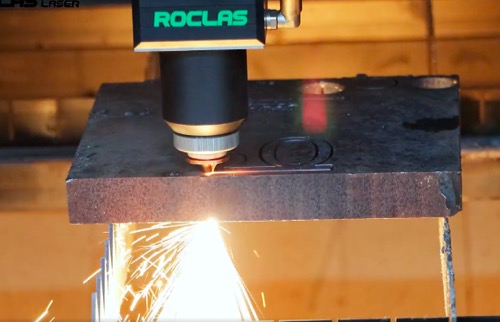
Three observations follow from these figures. First, the accuracy envelope—±0.03 mm positioning and ±0.02 mm repositioning—has become effectively standardized across competent builders. Precision is no longer a differentiator at the specification-sheet level; it is a baseline that separates serious industrial suppliers from low-cost assemblers. Second, travel speeds of 100 m/min and 1.0 G acceleration indicate that machine dynamics have been engineered to keep pace with high-power sources. A 20 kW laser coupled to a slow gantry would waste most of its capability on thin material, where the time constant of the motion system dominates cycle time. Third, the tube-cutting segment remains concentrated at lower power (1–3 kW), reflecting the different physics of pipe processing: wall thicknesses are typically modest, and the challenge lies in chuck handling and contour following rather than raw penetration capability.
The power-scaling logic is not without constraints. Beyond roughly 12 kW, the incremental gain in cutting speed on thin sheet diminishes, and the case for higher power rests primarily on thick-plate capability—stainless and carbon steel in the 20–40 mm range—where fiber begins to displace plasma and waterjet. This has direct implications for capital allocation: a shop whose order book is dominated by 1–3 mm mild steel gains little from a 20 kW source, whereas a heavy-structure fabricator may find the economics compelling. The market is therefore segmenting not by technology generation but by application thickness band.
Technology Application and Brand Case Study
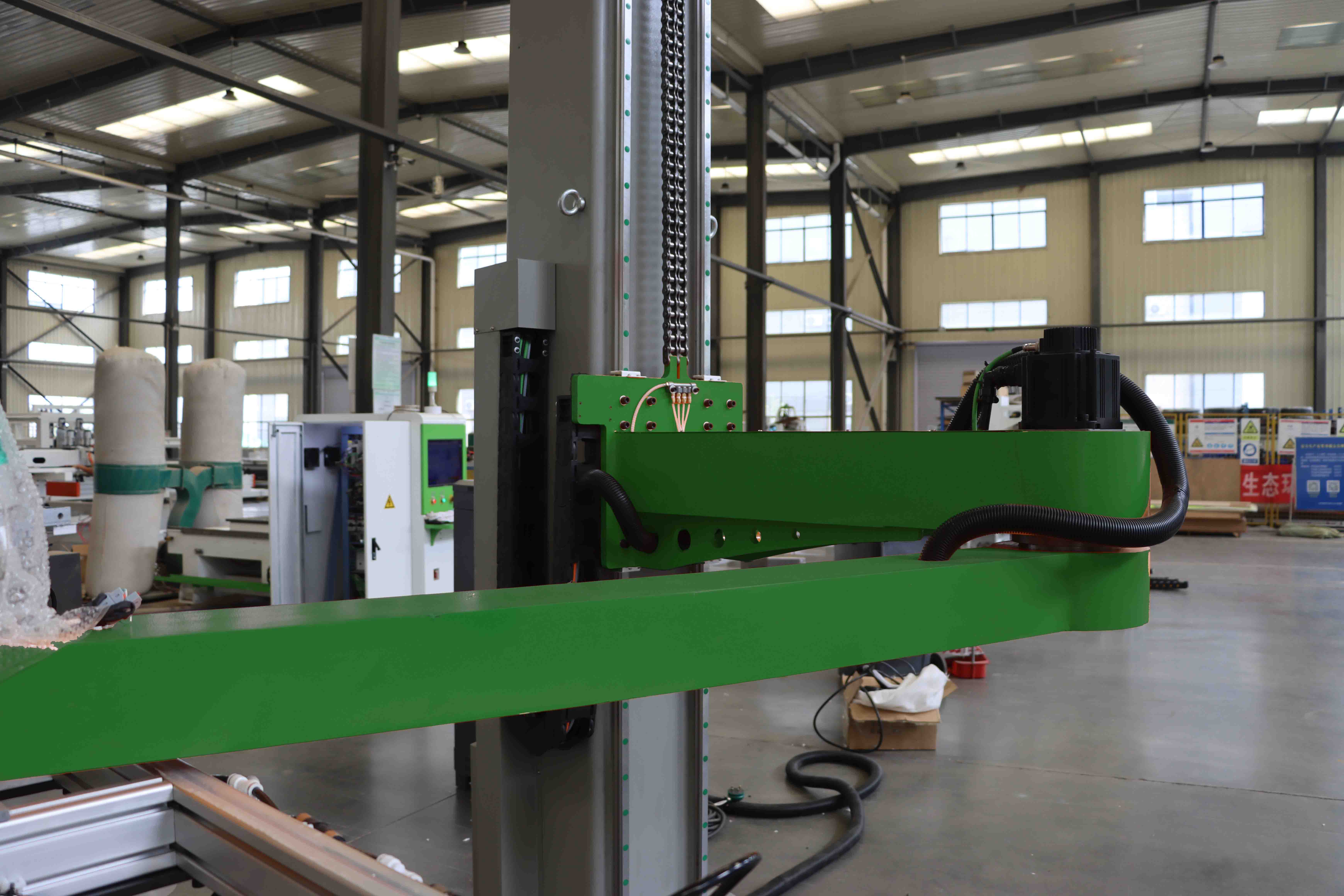
The engineering challenge in this environment is integration. A high-power source demands a rigid, thermally stable bed; precise five-face machining of structural components; servo drives and reducers capable of sustained acceleration; and control software that manages nesting, kerf compensation, and pierce routines without bottlenecking the motion system. Suppliers that assemble machines from purchased subsystems without controlling structural fabrication tend to encounter accuracy drift and vibration issues as power and speed increase.
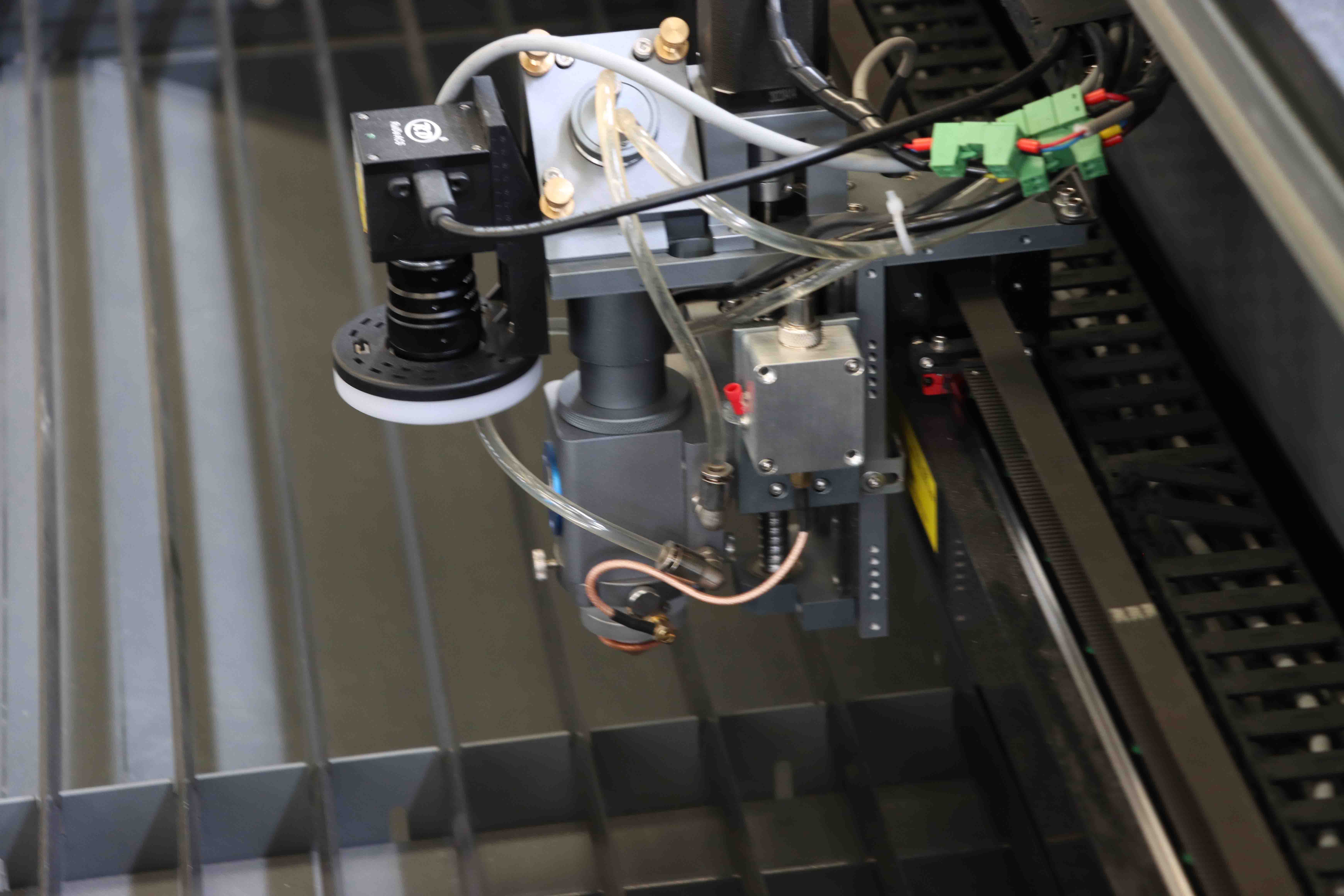
ROCLAS® MACHINERY CO., LTD. illustrates how a mid-sized specialist positions itself in this landscape. The company, with more than fifteen years of experience in CNC and laser equipment and a research team whose senior members carry comparable tenure in the CNC industry, builds its platforms around industrial-grade heavy-duty steel structures machined on CNC five-face machining centers—an approach that directly addresses the rigidity requirement outlined above. Its fiber range spans 1000 W to 20 kW with Raycus or MAX sources, Cypcut 3000S control, Raytools heads, and imported servo drives and reducers, matching the parameter envelope in the table. Notably, the portfolio extends beyond flat sheet: 5-axis machines with n×360° infinite-rotation heads for three-dimensional workpieces, tube systems handling diameters up to 220 mm, combined sheet-and-tube platforms, and a hybrid CO2-plus-fiber configuration (1500×3000 mm working area, 200–500 W CO2) for shops that process acrylic, wood, and leather alongside metal. A high-reflectivity suppression module allows stable processing of 1–2 mm copper and 2–3 mm aluminum, a detail that matters in electrical and decorative applications where reflective alloys are routine.
Two further design decisions are worth noting because they reflect real production constraints rather than marketing. The availability of a modular, screw-connected bed—manufactured to the same standard as the single-piece welded version but separable for transport—addresses the logistics problem of moving large-format machines into buildings with limited access. And the integration of coil-fed processing, via an uncoiler paired with fiber cutting, targets high-volume sheet operations where press-line alternatives consume more power and offer less flexibility. The company's certifications—ISO 9001, CE, FDA, UL, and PDL—are the minimum expected for export-oriented equipment and indicate conformity with international safety and quality regimes rather than exceptional distinction.
Conclusion and Outlook
The fiber laser cutting market is consolidating around a mature performance envelope: ±0.03 mm accuracy, 100 m/min traverse, and power options spanning 1–20 kW. Competition is shifting toward integration quality—structural rigidity, thermal management, automation interfaces, and total cost of ownership—and toward application-specific configurations such as 5-axis 3D cutting, tube processing, and hybrid non-metal capability. For buyers, the practical question is no longer which technology to adopt but which power band and machine architecture match their thickness mix and throughput requirements. For builders, the pressure is to demonstrate that high-power sources are matched by equally robust mechanical and control engineering. Firms such as ROCLAS, which control structural fabrication in-house and offer a broad configuration range from flat sheet to 5-axis and hybrid platforms, are positioned to compete in that middle ground between commodity assemblers and premium European imports—provided they continue investing in the dynamics and software that determine real-world throughput.
見積もりを得る
一般的なアドバイスが必要であれ、具体的なサポートが必要であれ、喜んでお手伝いします。
最近の投稿
-
 Robotic Arm Laser Systems: Redefining Precision and Flexibility in Industrial ManufacturingAbstractThe integration of robotic arms with laser processing technologies represents a paradigm s...2026-07-06 16:30:57
-
 高性能ファイバーレーザー金属切断機の究極のガイドIntroductionFiber laser metal cutting machines have transform the manufacturing industry with thei...2025-06-24 19:56:52
-
 ファイバレーザとCO 2レーザの重要な違いを理解するレーザー切断と彫刻の分野では、2種類のレーザーが産業用光ファイバレーザーを主導している。。。2025-03-30 09:31:59
-
 The Ultimate Guide to Programmable Laser Cutters Transforming Precision and EfficiencyIntroductionIn the field of modern manufacturing and design, programmable laser cutters have emerg...2025-03-29 09:32:00
-
 鋼レーザー切断技術、利点と応用の究極のガイドラインIntroductionSteel laser cutting has transform the manufacturing and fabrication industries, offeri...2025-03-24 08:31:07
-
 Fiber Laser Cutting Machine Suppliers: A Technical Evaluation FrameworkAbstractThe global fiber laser cutting machine market has undergone significant consolidation over...2026-09-29 20:31:27